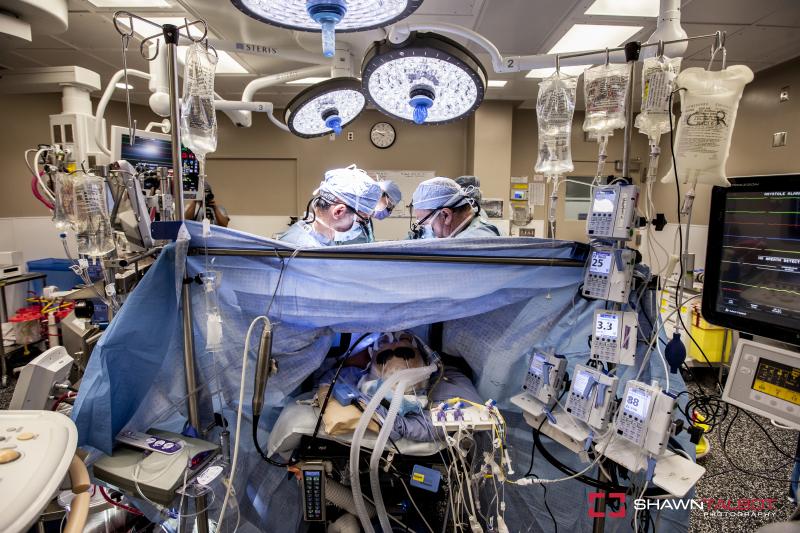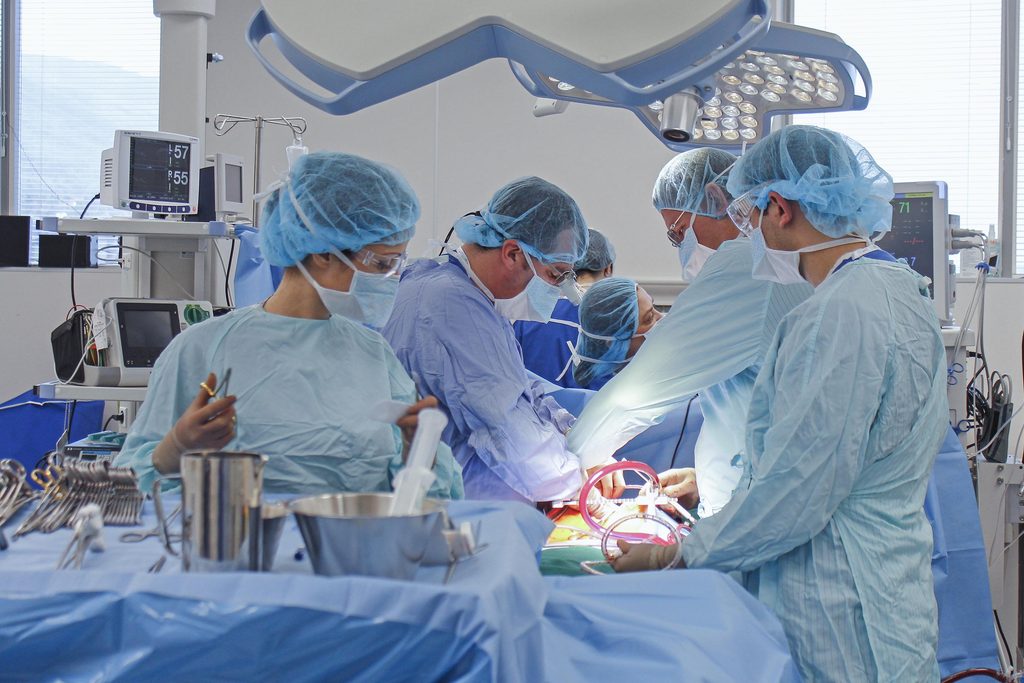
Coronary Artery Bypass Grafting (CABG) is a surgical treatment for coronary artery disease (CAD), a condition in which the arteries supplying blood to the heart become narrowed or blocked due to plaque buildup.
Who may need CABG?
CABG may be recommended for patients with:
- Significant blockages in multiple coronary arteries
- Significant left main coronary artery disease
- Complex or diffuse coronary artery disease
- Certain blockages that are not suitable for angioplasty and stenting
- Diabetes with extensive coronary artery disease
- Reduced heart function in selected patients with significant coronary disease
- Recurrent disease after previous angioplasty or stenting
- Symptoms or evidence of reduced blood supply despite appropriate medical treatment
The decision between medicines, angioplasty (PCI), and bypass surgery depends on the patient’s coronary anatomy, symptoms, heart function, other medical conditions, and overall surgical risk.
How is CABG performed?
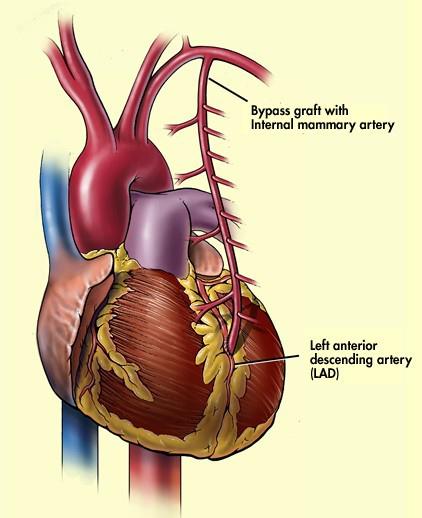
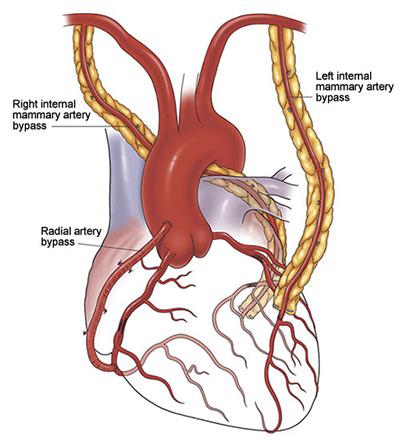
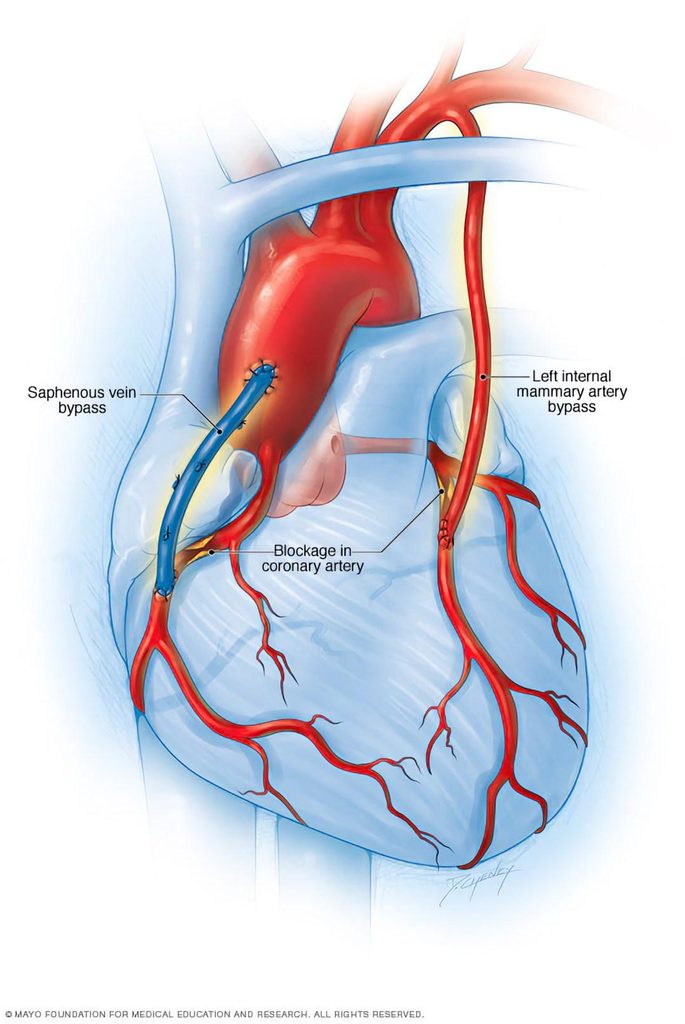
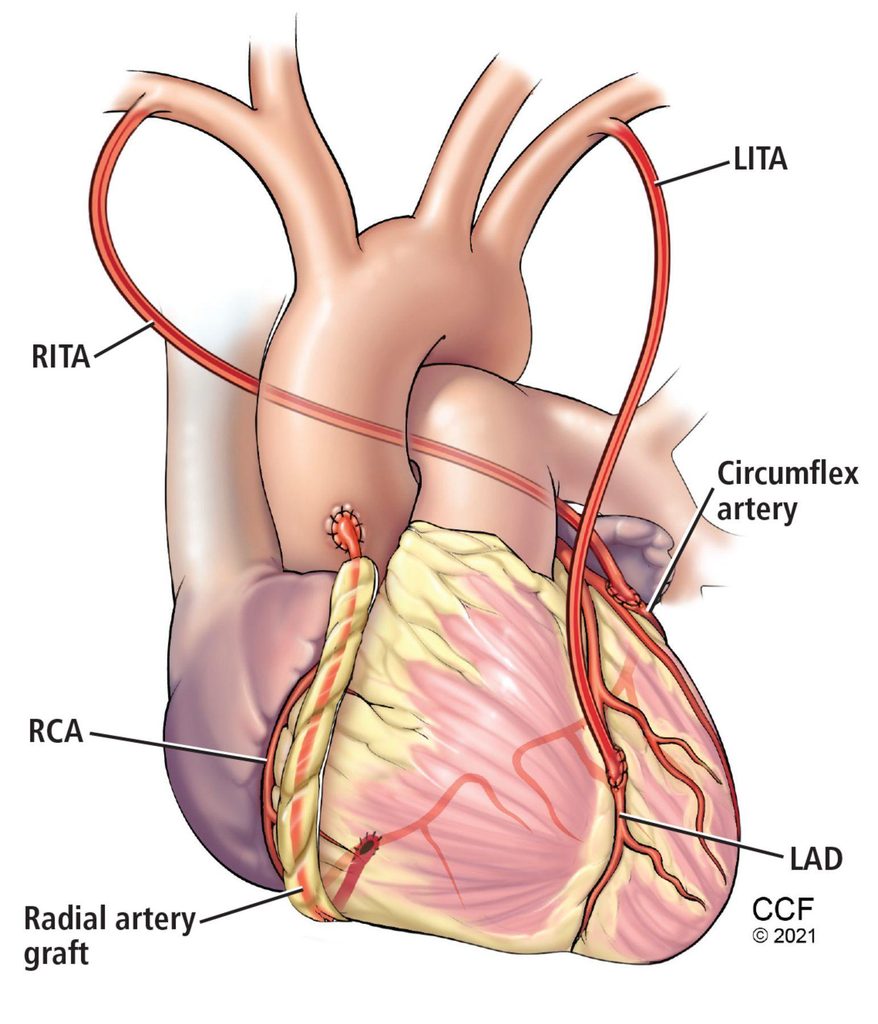
During CABG, blood flow is redirected around the blocked coronary artery using healthy blood vessels taken from the chest, arm, or leg. These grafts create a new route for blood to reach the heart muscle.
A commonly used graft is the Left Internal Mammary Artery (LIMA), particularly for the Left Anterior Descending (LAD) artery. Depending on the patient’s anatomy, additional arterial or vein grafts may be used.
How effective is CABG?
CABG can significantly improve blood flow to the heart, relieve angina symptoms, improve quality of life, and, in appropriately selected patients, provide an important long-term survival benefit.
The durability of bypass grafts varies according to the type of graft used, patient characteristics, lifestyle, and control of risk factors such as diabetes, cholesterol, blood pressure and smoking.
Why choose Dr. Deepi Agrawal Goyal?
Dr. Deepi Agrawal Goyal is a Consultant Cardiac Surgeon with experience in coronary artery bypass surgery, including advanced coronary revascularization techniques. She has undergone specialized training in advanced coronary surgery through the IACTS Fellowship at Sahyadri Hospitals, Pune.
Her approach focuses on careful evaluation of coronary anatomy, heart function and individual patient risk before deciding the most appropriate revascularization strategy.
The goal is not simply to perform bypass surgery, but to choose the appropriate revascularization strategy for each patient.